
The Healing Process

What Your Somatic Therapy Path Looks Like

Whether we meet online or in person I will hold show up with presence, compassion and curiosity.

A session may be very focused on a specific issue or a longer-term pattern. Sessions are present time focused and connect us back to the past through sensation, movement, images, behaviors and thoughts

My approach will vary depending on your specific needs and are an alchemy of your needs, intentions and history.

I’ve talked about it and I still don’t feel better

Somatic Therapy creates bridge between the words and the body. “If you could have talked or thought your way out of this …. you would have by now”

If you have a feeling that something is missing or you have reached your end point after talk therapy, somatic therapy can help you level up your healing.

There is nothing wrong with you. When an experience we have had is “too much” or “too little” we can have difficulty identifying what is wrong. There may be a sese that something is amiss, but you can’t name it. If an event happened before you had words, accessing body memory is a way you can work towards healing.

I care for Everyone else but I’m running on empty

Finding our limit , or our NO is not a words thing.  It becomes self-preservation and not selfishness.  Exhaustion and confusion from suppressing or not knowing your limits, can result in resentment, supressed anger, depression and chronic pain.    Discovering your needs and boundaries and embodying them is a process. Renegotiating and recognising and unwinding old patterns.  Let’s create more capacity for you, so you  can hold your boundaries and care for others from a place of inner and knowing not obligation.   

I don’t remember ever feeling safe

Your history is important and a comprehensive intake is part of that process. Our nervous system is impacted by big and little traumas, and you can find a sense of greater ease and a sense of safe enough.

We can have a sense not feeling safe after a big T trauma, car accident, death of a loved one, war or other overwhelming life event. When we objectively say and see that there is nothing “unsafe” around us it can feel crazy making to be on high alert mode.

If you had early life experiences with medical interventions or lived in an overwhelming environment at any time in your younger years, you may be more susceptible to experiencing overwhelm after a seemingly small event.

Restoring your capacity and felt sense of safety becomes possible when we work in present time awareness. Find peace and ease in your system and increase your capacity to handle like with somatic therapy with Jane.

Types of Therapies

Co-Regulating Touch - Somatic Table Work

Touch therapy is a deep healing practice that allows for connection and co-regulation.  Human to human connection in a safe, supportive environment where you don’t have to talk about it. This allows for deep settling of the nervous system and re-patterning non-verbal misattunements.

Restoring resilience through touch for trauma therapy. Co-regulation helps to build resilience and create greater ease in the nervous system.


Who is it for?

We all can benefit from touch work. This often is particularly helpful for folks who have persistent unexplained anxiety, premature birth, attachment disruption, as infants from surgery, near death experiences, absence of stable parental support and CPTSD

What is it?

Somatic Table work is process of deep non-verbal connection, to build nervous system resilience and capacity. Prior to any table work we review if this would feel supportive to your system. Your history is carefully considered as to whether this would be a possibility for you. Sessions generally are lying down, fully clothed, face up or in another position that feels supportive to you.

Somatic table work can be combined with other bottom-up processes and modalities. such as the Safe and Sound Protocol, help the nervous move to a greater felt sense of safety.

Clients say

“Table work gave me a sense of relaxation and ease, greater self-awareness, a type of healing without words that is hard to explain, I can feel it working from the inside”

Safe and Sound Protocol (SSP)

Through specially filtered music, the SSP sends cues of safety to the vagus nerve. This helps rebuild the foundation for awareness, embodiment, and resilience.
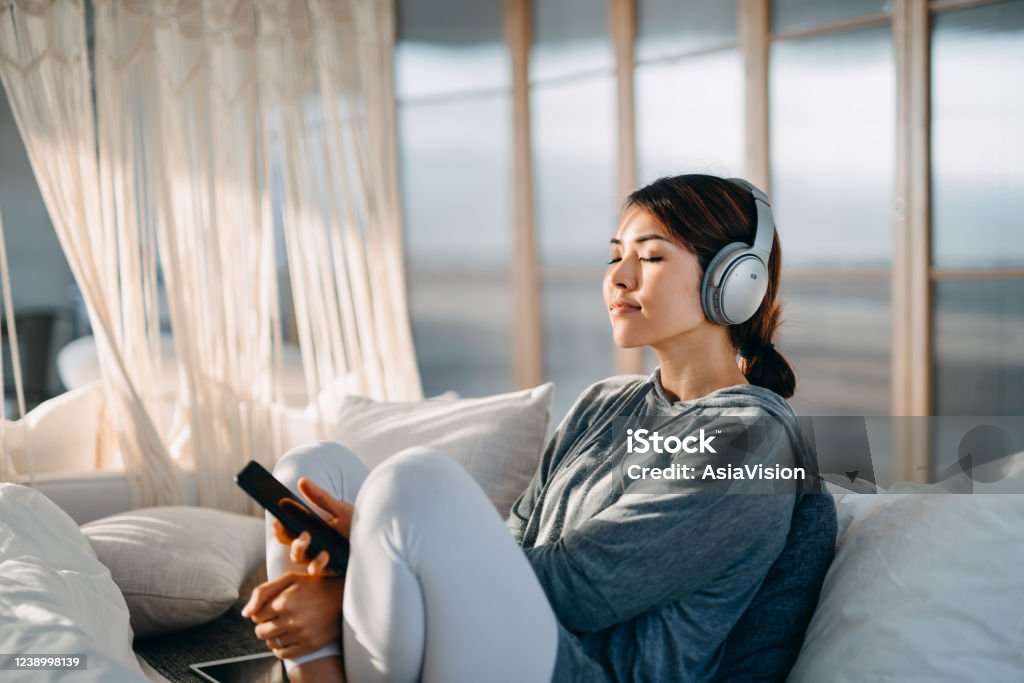
Relaxed young Asian woman with eyes closed sitting on her bed enjoying music over headphones from smartphone at home

The Safe and Sound Protocol (SSP) helps you access cues of safety in the nervous system.


Who is it supportive for?

If your nervous system goes into alarm with loud sounds or you become overwhelmed by sounds, experiencing sound you may benefit from the Safe and Sound Protocol. (SSP). During your intake we will explore as to whether the SSP might be supportive to your pathway to healing.

• Anxiety and depression
• Sensory processing
• Trauma history
• Sensory overwhelm
• IBS
• Ear infections as a child.

What is it?

The Safe and Sound Protocol (SSP) is a powerful listening therapy that is combined with sessions and in between sessions. It is designed to help regulate your nervous system below your conscious awareness. The SSP helps your nervous system adjust to more cues of safety and fewer cues of danger and can help you be more available to the process of somatic therapy.

Clients Report

“After the SSP I was no longer afraid to go to the dentist or hear the dental drill”

“Lifechanging – I am now able to relax in a crowded noisy restaurant”

Brainspotting Therapy

Brainspotting uses your visual field to access areas of unprocessed trauma that are connected to your visual field. Memories in the unconscious are gently accessed and processed through eye gazing or through the use of a pointer. An Amalgamation of Somatic Experiencing and EMDR developed by Dr David Grand in 2003 is an evidence-based practice for trauma healing.

Eye spotting therapy supporting somatic processing through focused eye positioning and body based awareness in a structured therapeutic session.

This is a fluid process that is often non-verbal. In my role as a therapist, I stay attuned to your experience and facilitate your experience and processing… trusting that the brain knows how to heal with external support


Who is it for?

Brainspotting assists people to work through emotional, physical pain or blocks. This is another form of “bottom up” processing from the nervous system.

What do sessions look like?

As a therapist I help the client discover eye positions that correlate with both pleasant and unpleasant current or past experiences. We hold focused mindfulness with curiosity. This approach assists the release of stored traumatic memories. which underlie a wide range of emotional and physical problems. and often certain eye positions are correlated with emotions, sensations or beliefs about ourselves. This technique truly gets to the heart of emotional blocks or stuck energy, allowing for profound acceptance and healing to occur. This is another form of “bottom up” processing from the nervous system.

Brainspotting allows you to tap into the brain’s natural ability to process and release stored trauma. This non-intrusive method respects your pace and comfort, making it possible to explore and heal from past experiences without the need to verbalize them.

Somatic Toolkit Practices & The Therapeutic Tremor

Based on YOUR unique history and preferences, let’s find out what works best for you. Let’s add simple and accessible mindfulness and movement practices for ongoing nervous system stability and support.

Who is it for?

This is for you if you feel overwhelmed by self-help videos, and all the tik-tok videos telling you how to heal your trauma. The truth is, no single person or video can tell you specifically what is going to safely support your nervous system.

If you would like to gain access to simple and effective practices that allow your nervous system to settle you have come to the right place.  Your embodied sense of what a settled nervous system feels like is foundational for trauma healing.

Senior woman stretching and talking friend at public park

Whether you have just started on your pathway to healing trauma, or someone who wants to put the finishing touches on an extended therapy journey, I am here to support you.

Clients say

I felt relief and energy flowing through my body has released from the inside out.
I feel so relaxed and I want to go home to nap
Practices to support you!  TRE and The Resilience Toolkit

Frequently Asked Questions

Are your therapy services covered by insurance?

As a registered therapeutic counselor, I am covered by Sun Life, and several other insurances. Please check to see if your insurance coverage includes counselling. You will be expected to pay for your session in full at the time of service and request reimbursement from your insurance company.

Is this somatic therapy effective online?

Absolutely. Some people prefer to receive support while they are in in their own space. Much can be gained online. I offer online sessions on a secure platform.

How will I feel after my session?

You may feel fatigued after your session, or you may have more energy.

I often hear my clients say, “I feel like I was seen”. “I have some hope”. “I feel lighter. like something has been lifted from me”

Is change still possible after many years of feeling stuck?

Yes. Neuroplasticity allows for brain and body to shift from stuck to a greater sense of freedom and ease

What is your cancellation policy?

For individual sessions I request 48 hours cancellation notice.

How are the past and present connected in this work?

The past and present are deeply connected through the body. Experiences from earlier in life can shape how your nervous system responds today, often in ways that happen outside of your conscious awareness.

What is the counsellor’s role in this process?

As a counsellor, somatic therapist and somatic body therapist, we work together to help you unravel the threads that may be holding you back, supporting your body’s natural movement toward healing and resilience.

What do I do between sessions?

There may be practices I will invite you to explore outside of session if it feels like a good fit for you. There is not “homework” but there may be ‘playwork” that is optional to explore outside.

Typically we will try to find one or two practices or tools that feel supportive for you for a take home practice.